Moto G87 5G Review: Killer 200MP Camera, But Slow Charging Holds It Back
Motorola has been on a roll with its G-series budget phones lately. The new Moto G87 5G tries something wild: fitting a massive 200MP main camera and an IP69 water resistance rating into a phone that costs under $300.
I spent two weeks testing the Moto G87 5G as my daily driver.
Specs at a Glance
Feature
Moto G86 5G (Last Gen)
Moto G87 5G
Display
6.67-inch FHD+ OLED, 120Hz
6.78-inch 1.5K AMOLED, 120Hz
Peak Brightness
1,600 nits
5,000 nits
Processor
MediaTek Dimensity 6300
MediaTek Dimensity 6400
RAM / Storage
8GB / 128GB
8GB or 128GB / 256GB (microSD support)
Rear Cameras
50MP Main + 8MP Ultrawide
200MP Main (OIS) + 8MP Ultrawide
Front Camera
16MP
32MP
Battery & Charging
5,000 mAh / 30W
5,200 mAh / 30W
Durability
IP54
IP68 + IP69 / Gorilla Glass 7i
Design and Display: Flagship Looks on a Budget
The first thing you notice when holding the Moto G87 5G is the back panel. Motorola used a silicone vegan leather back that feels grippy and soft. Fingerprints simply do not show up on this material.At just 7.3 mm thin and 183 grams, it feels surprisingly sleek for a big phone. The frame is made of plastic, but the fit and finish are solid.
Durability Upgrades:
[ Standard Mid-Rangers ] —> IP54 Dust/Splash Resistance
[ Moto G87 5G ] ———-> IP68 Submersion + IP69 High-Pressure Water Jet Protection
The screen is another highlight. You get a 6.78-inch 120Hz AMOLED display protected by Corning Gorilla Glass 7i. The panel reaches up to 5,000 nits peak brightness, making direct sunlight a non-issue.
Camera Test: 200MP Main Sensor Steals the Show
Putting a 200MP main camera with OIS on a budget phone sounds like a gimmick. In my testing, it actually delivers.The primary sensor uses 16-in-1 pixel binning to produce sharp, detailed 12.5MP photos by default. Colors look natural, and low-light shots hold up well thanks to optical stabilization.
200MP Main Lens: Sharp daytime shots, fast autofocus, and clean 2x lossless digital crop.
32MP Selfie Camera: Crisp skin tones and reliable HDR when backlighting is harsh.
The main lens easily outperforms most competitors at this price point. Just keep in mind that video recording tops out at 2K resolution at 30fps due to chip limits.
Performance and Battery: Smooth Daily Driver, Slow ChargingFor scrolling social feeds, texting, and streaming, performance feels snappy. Motorola’s clean Hello UI on top of Android 16 keeps clutter to a minimum.Heavy 3D gaming is where the chip shows its limits. Games like PUBG Mobile run fine on medium graphics settings, but demanding titles will stutter if you push them to high settings.
Battery Endurance vs Charging Speed:
[ Battery Capacity ] —> 5,200 mAh (Solid 1.5-day usage)
[ Charging Speed ] —> 30W Wired (~75 minutes for a full charge)The 5,200 mAh battery easily lasts a day and a half of regular use. The catch is charging speed. The included 30W charger takes well over an hour to reach 100%, which trails behind rivals from Xiaomi and RealMe.
Real-World Issues & Honest Flaws:
Modest Gaming Power: The Dimensity 6400 is built for battery efficiency, not heavy 3D gaming.
Slow 30W Charging: In a market where competitors offer 67W or 80W charging, 30W feels dated.
Weak Secondary Lens: The 8MP ultrawide cannot match the quality of the 200MP main sensor.
The Verdict
Added perks like IP69 water protection and microSD expansion make it even better value.If you are a mobile gamer or need 15-minute fast charging, you might want to look elsewhere. But for everyday buyers, it hits the sweet spot.
##Moto G87 5G vs. Redmi Note 14 Pro 5G: Budget Mid-Range Showdown
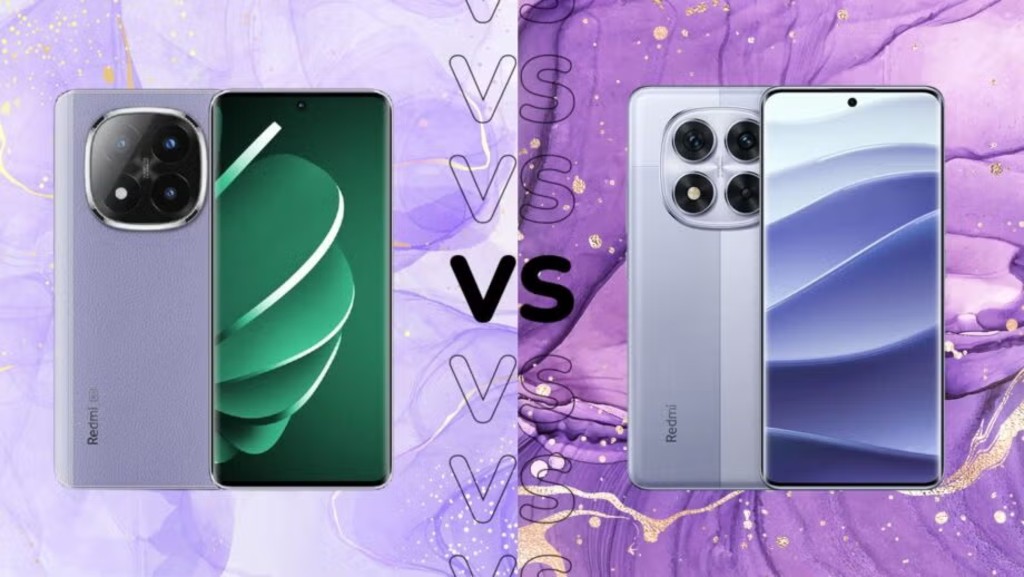
If you are looking to spend around $300 to $350 on a mid-range phone, the Moto G87 5G and the Redmi Note 14 Pro 5G are likely at the top of your list. Both devices boast massive 200MP main cameras, high-refresh AMOLED screens, and sturdy builds. However, under the hood, they lean into entirely different strengths.
Here is how they stack up in the three core areas: Camera, Performance, and Charging Speed.
Head-to-Head Comparison
Feature
Moto G87 5G
Redmi Note 14 Pro 5G
Main Camera
200MP (f/1.8, OIS)
200MP (f/1.7, 1/1.4″, OIS)
Secondary Rear
8MP Ultrawide
8MP Ultrawide + 2MP Macro
Front Camera
32MP
20MP
Video Recording
2K / 1440p @ 30fps max
4K @ 30fps
Processor
MediaTek Dimensity 6400 (6nm)
MediaTek Dimensity 7300 Ultra (4nm)
Battery Capacity
5,200 mAh
5,110 – 5,500 mAh (region-dependent)
Wired Charging
30W TurboPower
45W Fast Charging
Storage Card
microSD Expansion (Shared slot)
No microSD Slot
1. Camera: High Megapixels, Different Strengths
Both phones lead with a 200MP optical image-stabilized (OIS) sensor, but the actual output differs due to post-processing and sensor sizes.
Moto G87 5G: Uses a clean color science that avoids over-processing. Photos straight out of the camera look natural with accurate skin tones. The 32MP selfie camera captures finer facial details than Redmi’s 20MP sensor. However, processor limits restrict video recording to 2K/1440p.
Redmi Note 14 Pro 5G: Packs a physically larger 1/1.4-inch 200MP sensor, giving it a natural advantage in low-light environments and slightly cleaner background blur. It also supports full 4K video recording at 30fps with gyro-stabilization.
Camera Verdict: The Moto G87 wins on selfies, but the Redmi Note 14 Pro takes the overall lead for low-light photography and 4K video capabilities.
2. Performance: Efficiency vs. Processing Power
The choice of silicon creates a noticeable gap between these two budget contenders.
Processor Architecture Comparison:
[ Moto G87 5G ] ——-> Dimensity 6400 (2x Performance Cores + 6x Efficiency Cores)
[ Redmi Note 14 ] —–> Dimensity 7300 Ultra (4x Performance Cores + 4x Efficiency Cores)
Moto G87 5G (Dimensity 6400): Built on a 6nm process, this chip easily handles basic daily driving, messaging, app-switching, and video streaming. However, with only two high-performance Cortex-A76 cores, demanding 3D games will require lower graphic settings to avoid frame drops.
Redmi Note 14 Pro 5G (Dimensity 7300 Ultra): Built on a newer 4nm process, this chip packs four Cortex-A78 performance cores alongside a more capable GPU. Apps load faster, multitasking feels snappier, and games like Call of Duty run much smoother.
Performance Verdict: Redmi takes an easy win here. The Dimensity 7300 Ultra delivers better frame rates and longer longevity for power users.
3. Battery Life & Charging Speed: Adequate vs. Fast
Battery endurance on both devices is solid, easily providing 1.5 days of typical use. The real difference comes down to time spent at the wall outlet.
Estimated Charging Speeds (0% to 100%):
[ Redmi Note 14 Pro 5G (45W) ] ========> ~50 to 55 minutes
[ Moto G87 5G (30W) ] =============> ~75 to 80 minutes
Moto G87 5G: Packs a 5,200 mAh cell paired with 30W fast charging. It takes roughly 75–80 minutes to charge from zero to full.
Redmi Note 14 Pro 5G: Features a 5,110–5,500 mAh battery paired with 45W Turbo Charging. It routinely fills up in roughly 50 to 55 minutes.
Charging Verdict: Redmi wins on speed. Refilling nearly 25 minutes faster gives the Redmi Note 14 Pro a clear real-world advantage.
Final Recommendation
Choose the Moto G87 5G if: You want clean software (Hello UI with minimal bloatware), prefer higher-resolution selfies, need expandable microSD storage, and want top-tier IP69 water resistance.
Choose the Redmi Note 14 Pro 5G if: You want faster overall daily performance, 4K video recording, and noticeably quicker 45W charging speeds.