In 2017, Apple did something genuinely shocking. Instead of just releasing a standard, predictable upgrade to the iPhone 7, they took a massive gamble. To celebrate a decade of their flagship device, they skipped a number entirely and unveiled the iPhone X (pronounced “iPhone 10”).
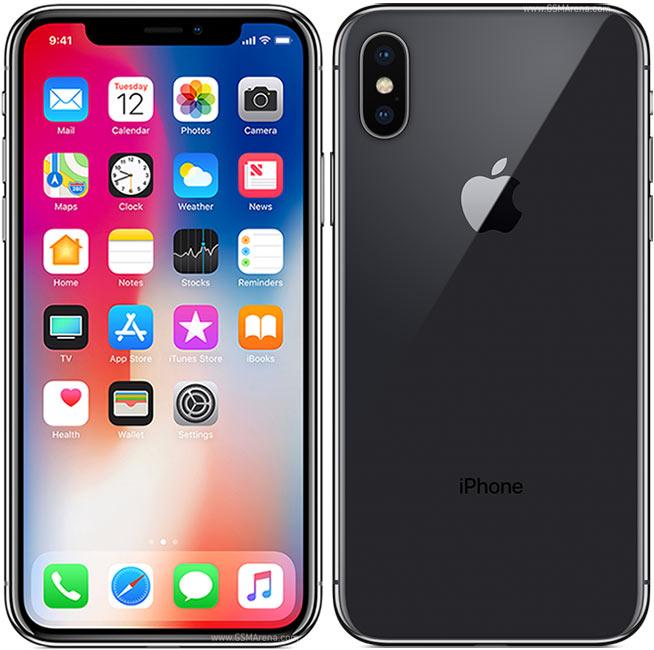
The iPhone X was not an iteration; it was a total demolition of the old smartphone template. By aggressively killing off the iconic Home Button, introducing an edge-to-edge OLED screen, and pioneering biometric facial tracking, Apple set a new blueprint. Every premium device you hold in your hands today—regardless of whether it’s an Apple or an Android device—traces its DNA directly back to the architectural leaps made by the iPhone X.
1. Killing the Home Button: The Birth of Gestures
For a decade, the circular hardware Home Button was the anchor of the iOS user experience. The moment you got confused or lost inside an application, you clicked that physical button to return to the safety of your home screen.
The iPhone X completely eliminated that safety net. Apple replaced it with an entirely new, fluid system of intuitive swipe gestures that initially terrified longtime users:
- Swiping up from the bottom edge to go home.
- Swiping up and pausing to view active background applications.
- Swiping downward from the top-right corner to pull down the Control Center.
The change was a massive gamble, but within weeks, it felt so organic that using an older iPhone with a physical button instantly felt antiquated. It turned the operating system into a highly tactile, responsive canvas.
2. The TrueDepth Notch and Face ID
Erasing the Home Button meant Apple had to find a secure new way to handle device authentication. Their solution was Face ID, housed inside an instantly famous—and heavily debated—black screen cutout commonly referred to as the notch.
Rather than relying on a basic, easily fooled 2D camera image, the TrueDepth camera system packed an entire miniature laboratory into the top bezel. It used a flood illuminator to light up your face in pitch black, an infrared camera, and a specialized dot projector that cast over 30,000 invisible infrared dots to map a highly detailed, mathematical 3D mesh of your facial structure. This mathematical validation happened in fractions of a second, establishing a biometric standard that remains incredibly secure.
3. Premium Materials: OLED and Stainless Steel
The iPhone X was also designed to push the concept of a smartphone deeper into the ultra-luxury market. It was the first iPhone to feature a stunning Super Retina OLED display, manufactured to Apple’s exacting color calibration standards. This gave users deep, infinite contrast ratios and rich HDR color spaces that completely blew older LCD screens out of the water.
+-------------------------------------------------------------+
|                     iPhone X Landmark Specifications        |
+--------------------------+----------------------------------+
| Display Panel            | 5.8-inch Super Retina OLED       |
| Chassis Frame            | Surgical-grade Stainless Steel    |
| Biometrics               | Face ID (First Generation)       |
| Primary Processor        | A11 Bionic (Neural Engine debut) |
| Rear Camera Design       | Vertical Dual 12MP (Dual OIS)    |
+--------------------------+----------------------------------+
Instead of standard aluminum, Apple wrapped the phone’s structural perimeter in a heavy, polished surgical-grade stainless steel band. Combined with a glossy glass rear panel, the device possessed a density, weight, and jewelry-like shine that made it feel completely distinct from any device that had preceded it.
4. The Silicon Pioneer: A11 Bionic and the First Neural Engine
Driving all this futuristic hardware was the A11 Bionic chip. This processor marked a critical milestone in silicon history: it was the first Apple chip to feature a dedicated, dual-core Neural Engine built specifically to handle complex machine learning algorithms locally.
The Neural Engine was the exact piece of computing real estate that allowed the phone to track facial expressions in real-time for animated “Animoji,” dynamically adapt Face ID mapping as users grew out beards or put on glasses, and apply real-time computational lighting effects to portrait photographs.
The Retrospective Legacy
The iPhone X is a historical relic. With 3GB of RAM and an operating system support lifecycle that has naturally concluded, it is no longer an adequate daily driver for modern apps, heavy web browsing, or modern security requirements. Its original battery capacity looks tiny by contemporary standards, and its first-generation Face ID sensors are visibly slower than current iterations.
However, its impact on the tech landscape cannot be overstated. The iPhone X is the exact milestone where the smartphone grew up—shedding its thick bezels, moving past physical navigation buttons, and transitioning into an era of gorgeous, uninterrupted glass. It remains one of the boldest, most influential design pivots Apple has ever executed.