When history looks back at the evolution of modern smartphones, the iPhone 12 will stand out as a major milestone. After years of soft, rounded aluminum shapes that defined the iPhone 6 through the iPhone 11 eras, Apple used the iPhone 12 to make a bold statement: a total return to sharp, flat, industrial edges.
The iPhone 12 wasn’t just a regular yearly update; it was the generation that established the foundational design language Apple still relies on today. By standardizing gorgeous OLED screens across the entire lineup, introducing 5G connectivity, and debuting MagSafe, the iPhone 12 dragged the base-model smartphone into the modern era.
1. The Design Leap: Flat Edges and the OLED Standard
The most immediate transformation was physical. Drawing inspiration from the legendary iPhone 4 and the iPad Pro, the iPhone 12 introduced a precision-milled aluminum frame with perfectly flat sides.
More importantly, Apple completely eliminated the aging LCD panels from its base models. The iPhone 12 received the exact same Super Retina XDR OLED display tech as the Pro models. This meant users finally got true blacks, a striking $2,000,000:1$ contrast ratio, and a dramatic reduction in bezel thickness.
+————————————————————-+
| iPhone 12 Legacy Specifications |
+————————–+———————————-+
| Display Panel | Super Retina XDR OLED |
| Front Glass Protection | Ceramic Shield |
| Charging Eco-System | MagSafe Magnetic Alignment |
+————————–+———————————-+
To protect this beautiful new panel, Apple introduced Ceramic Shield technology. By infusing microscopic nano-ceramic crystals directly into the glass matrix, the iPhone 12 achieved a four-fold improvement in drop performance compared to older models, setting a new industry standard for glass durability.
2. Speed Meets Reality: The A14 Bionic and 5G
Under the hood, the iPhone 12 pioneered the A14 Bionic chip, the world’s very first commercial smartphone processor built on a highly dense 5-nanometer process node.
The A14 Bionic arrived alongside a highly anticipated hardware feature: 5G cellular connectivity. To manage the intense power demands of hunting for 5G signals, Apple engineered a custom software feature called Smart Data Mode. This feature dynamically downshifts the phone to standard 4G LTE speeds when high bandwidth isn’t necessary, preserving battery life while providing blazing-fast download capabilities when streaming or downloading heavy files.
3. The MagSafe Rebirth
The iPhone 12 introduced a circle of hidden magnets embedded in the rear glass panel, reviving the beloved MagSafe moniker.
This simple engineering addition completely transformed the mobile accessory market. MagSafe allowed wireless chargers to snap automatically into perfect alignment every single time, maximizing charging efficiency and eliminating the frustration of waking up to a dead phone because it slid slightly off a charging pad. Beyond power delivery, it gave birth to an entirely new ecosystem of snap-on magnetic wallets, car mounts, and heavy-duty photography rigs.
4. The Night Mode Expansion
The dual-camera system on the iPhone 12 maintained a traditional 12MP main sensor alongside a 12MP Ultra Wide sensor, but a wider $f/1.6$ aperture on the main lens pulled in 27% more light than previous models.
The true evolution, however, was computational. Apple unlocked Night Mode across all camera lenses, including the ultra-wide and front-facing TrueDepth sensors. Suddenly, low-light landscape photography and evening selfies became sharp and vibrant instead of blurry, noisy messes. Furthermore, this generation introduced Dolby Vision HDR video recording directly in the native camera app, allowing users to shoot, edit, and view cinema-grade, high-contrast video right on their phone.
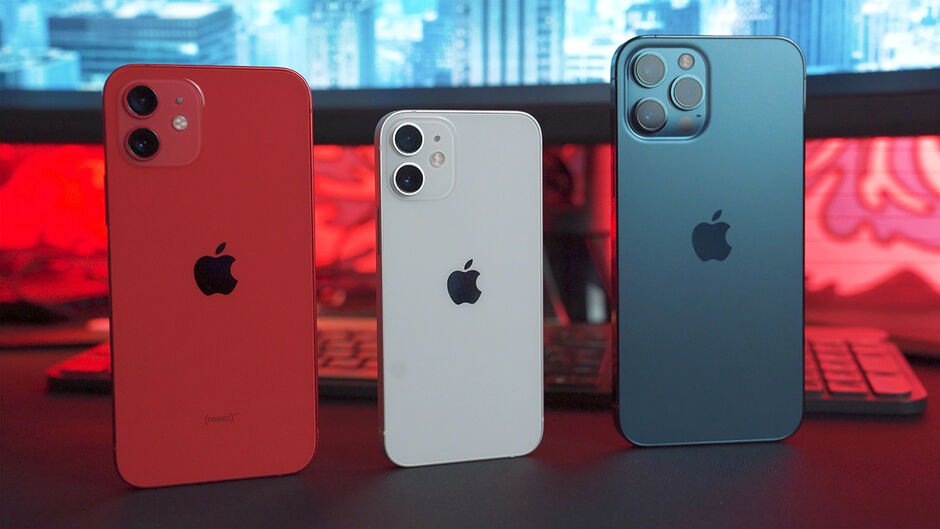
The Value Verdict: The Modern Entry Point
The iPhone 12 is fundamentally a historic turning point. It certainly shows its age in two specific areas: it starts at a restrictive 64GB of base storage, and its smaller battery size struggles under heavy 5G usage compared to the generations that followed it.
However, because it shares the same flat-edged look, beautiful OLED display contrast, and MagSafe convenience of current devices, it does not feel or look like an old phone. For budget-conscious buyers looking for a highly capable, modern daily driver that handles FaceTime, social media, and crisp photography flawlessly, the iPhone 12 remains a beautifully designed entry point into the modern Apple ecosystem.
Leave a Reply